Website Optimalisatie
What Guests Expect From a Private Chef Website Before They Reach Out
 Stef Wubbe
A private chef website is rarely judged like an ordinary food site. Before anyone requests a date, the visitor is mainly trying to work out whether this chef is professional, discreet and the right fit for the evening they have in mind.
You see the same thing on today's private chef platforms and agencies: they highlight not just dishes and atmosphere, but matching, process, menu customisation, reviews, safety and booking certainty. For private chefs, convincing someone online is not only about taste. It is about removing risk.
The First Question Is Rarely Culinary
Before anyone wonders how refined the menu is, they want to know: does this chef fit our type of evening, our venue, our guests and our expectations? Private dining is a personal setting. The chef is not just cooking, they are moving through a private space. Because of that, trust gets assessed before culinary depth does.
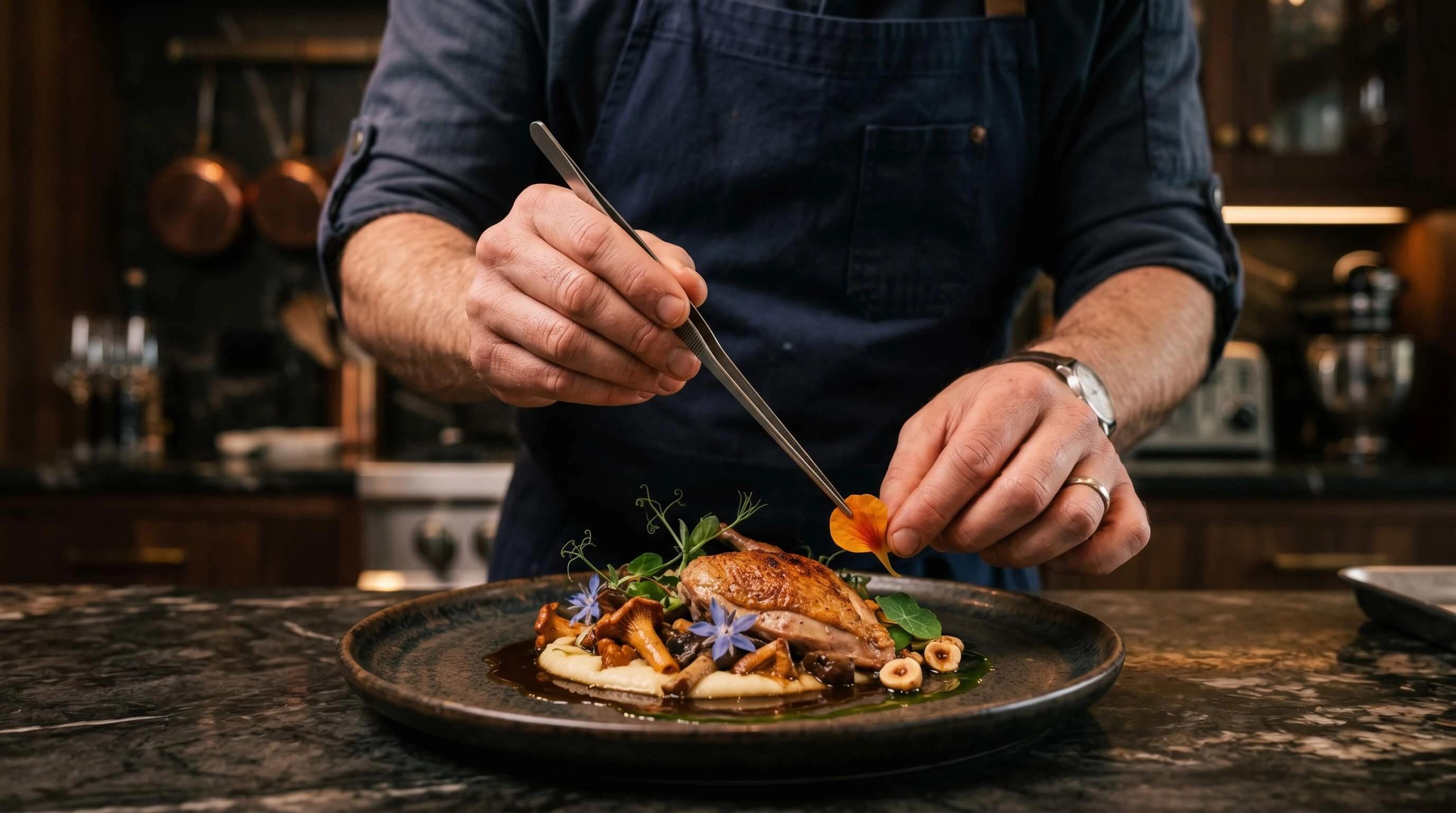
A site that only shows close-ups of plates, but says nothing about process, occasion type, dietary handling, service or how contact works, leaves too many questions open. Those open questions are exactly what slow down serious inquiries.
What Visitors Want to Assess Early on a Private Chef Website
- Which occasions and group sizes this chef is suited toPriority
- What style, signature and menu approach to expectPriority
- How dietary needs, timing and logistics are handledPriority
- What proof of professionalism and reliability is visiblePriority
- What happens after the inquiry and how the booking process works
What Guests Are Actually Trying to Find Out
1. Does this chef fit the type of evening?
A birthday dinner at home, an intimate evening with wine pairing, an executive dinner or a stay at a venue do not all call for exactly the same chef. Visitors look for signals of fit: which setting does this chef work best in, how personal is the experience, and what kind of evening is actually on offer here?
2. Is the culinary style recognisable enough?
Sample menus, seasonal working, ingredient choice and signature help the visitor quickly understand what to expect. Not as a fixed menu, but as a direction. Many successful private chef sites show that bespoke work only becomes believable once there is a clear foundation to feel first.
3. Does contact feel professional and under control?
Booking platforms strikingly often explain what happens after the inquiry: intake, matching, menu alignment, payment or confirmation. That makes sense. A private chef website should not only inspire, it should also make the process feel under control. Without that structure, the inquiry keeps feeling heavier than it needs to.
4. Are dietary needs and practical details in safe hands?
Many pre-booking questions are not about prestige, but about execution: allergies, dietary needs, equipment, venue, service, timing and clean-up level. Chefs who address these points online already show that experience sits behind the presentation.
5. Why should I trust this chef?
The same trust signals keep coming back across the market: restaurant background, Michelin training, food safety, checks, insurance, testimonials, ratings and clear service terms. A private chef does not need to make every detail public, but the website needs to give enough signals to reduce doubt.
The Core Point
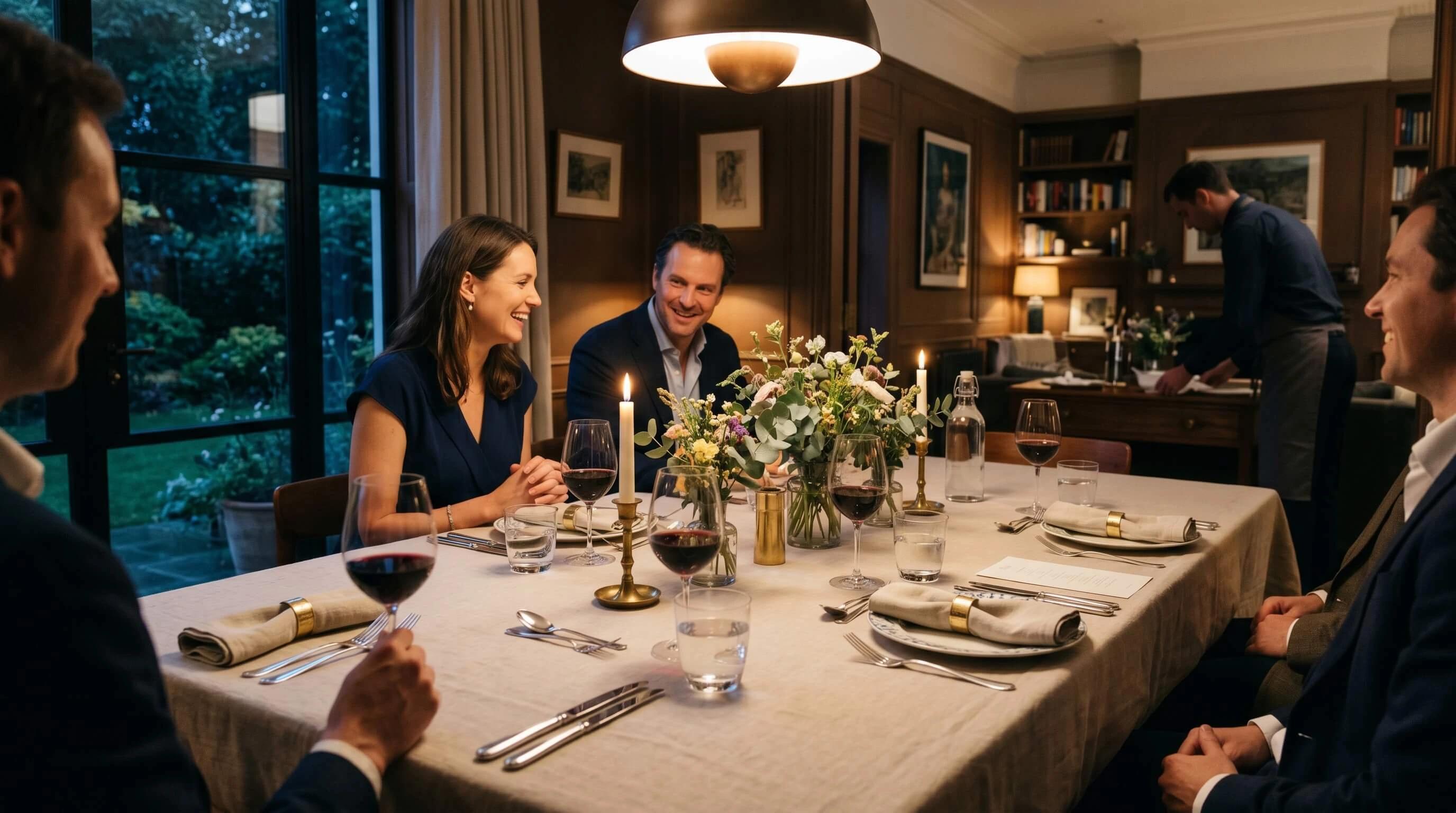
A private chef website does not need to tell everything. It mainly needs to remove the right uncertainties before someone discusses a date, venue or occasion.
What Is Often Missing From Private Chef Websites
The most common weakness is not that a site is too simple, but that it gives too little direction. Many pages look polished but stay vague about who the chef helps, how the experience works, and why the contact feels safe.
Typical gaps include: food photography without context, no distinction between private dining and catering, no explanation of the process, no proof of professional background, and an inquiry route that only appears late. The website then stays decorative where it should be selecting and reassuring instead.
Should a private chef show prices on the website?▼
Should a private chef website say something about dietary needs and allergies?▼
How do you show reviews when many dinners are private?▼
Should a private chef website say something about insurance or professionalism?▼
What matters more: atmosphere or structure?▼
What a Stronger Private Chef Website Ultimately Gets You
The goal is usually not as many inquiries as possible. For private chefs, a better website is more valuable when it attracts better-matching conversations, builds more trust beforehand, and needs less explaining in the early stage. That leads to calmer contact and a higher quality of inquiries.
That way, the website stops being an online menu and becomes a first welcome instead. When that welcome is right, the step to contact feels smaller and more serious.
Do You Want Your Website to Build the Right Trust From the Start?
SW Studio designs websites for private chefs and private dining concepts where style, discretion and inquiry logic all need to line up.
View the private chef page↗Topics: #private chef website,#website for private chefs,#private dining,#trust,#inquiry optimisation,#chef at home website