Provenance that stays visible
The maker, the material, and the way it is made should be just as legible as the label.
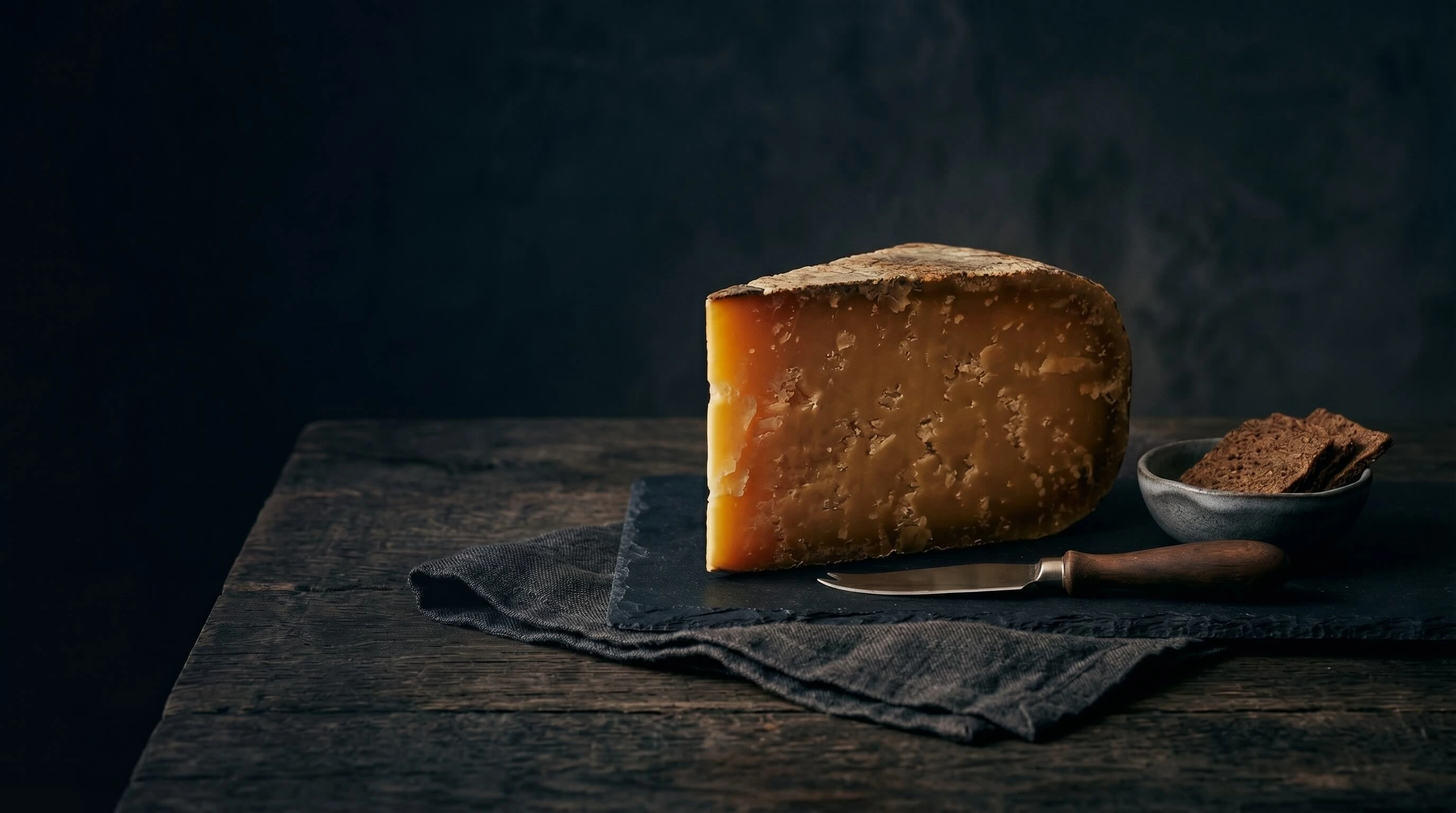
For premium food brands where product, provenance, and the route to ordering come together with care.
Before anyone tastes or orders, they look at material, provenance, maker, and attention to detail. The site needs to back up that first impression, not dress it up with atmosphere.
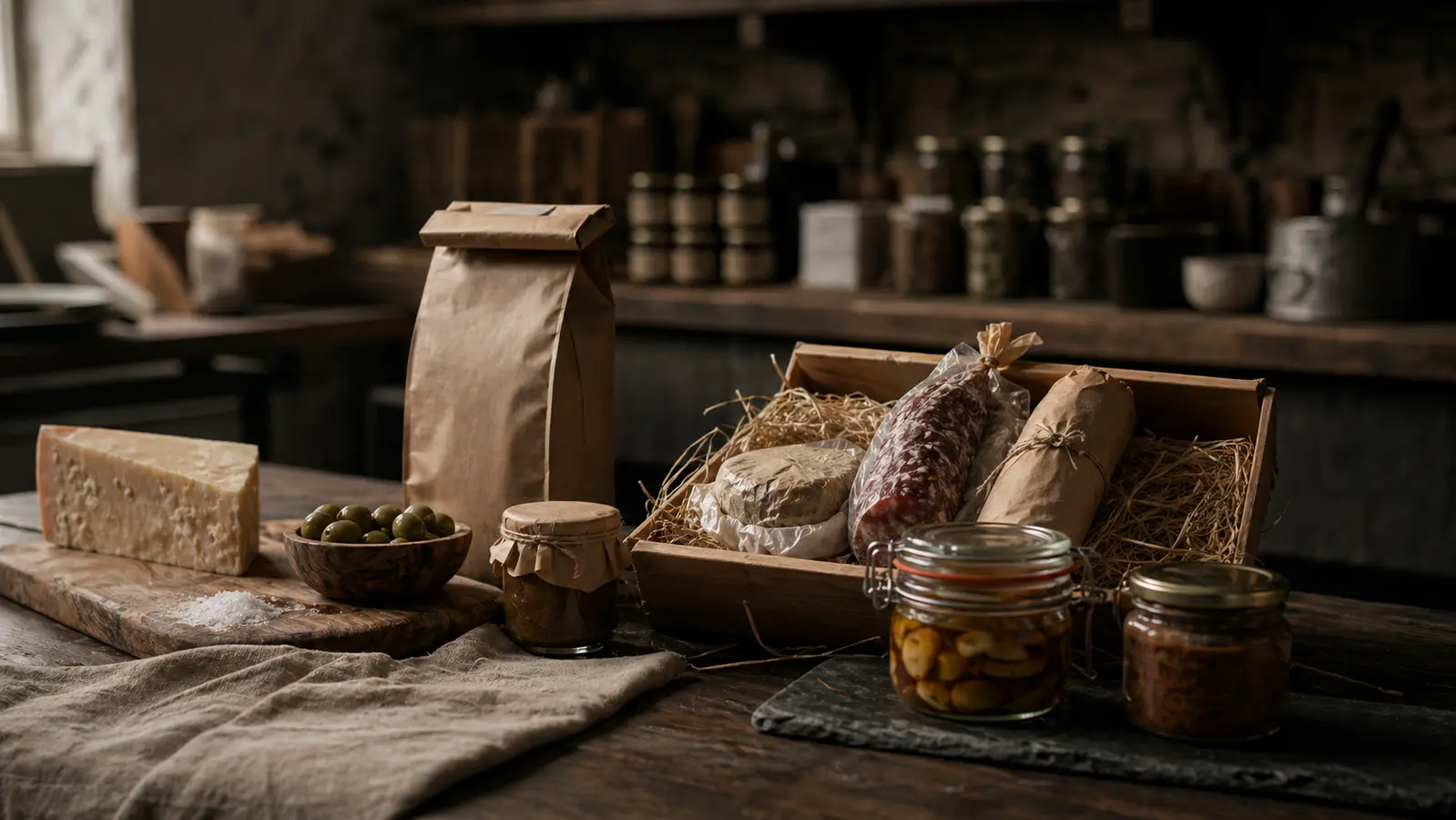
The maker, the material, and the way it is made should be just as legible as the label.
Imagery needs to make texture, finish, and use visible, without making the product look bigger than it is.
Anyone wanting to order or ask a question should immediately understand what the choice, delivery, and next step require.
A product page does not need to sell everything at once. It needs to give the information a serious buyer needs to move forward.
What someone is buying, how it feels, and why the finish matters.
Where it comes from, who makes it, and the choice behind that.
A selection that is easy to compare calmly, without imitating a full catalogue.
The route to ordering, delivery, and use, clear enough that doubt does not take over.
Quality is in what you dare to show.
Not a collection of luxury signals, but the product, the provenance, and the care made visible enough to choose.
A good presentation does not explain why something is expensive. It makes visible why the choice, the material, and the care matter.
Not every brand needs an extensive shop. A clear selection reads stronger than a page trying to imitate volume.
The route to an order or enquiry has to be practical, but should not shout over the story of the product.
A website cannot replace a product. But it can stop a serious buyer from dropping off before the product gets its chance.
SW Studio works with a fixed entry model: £1,400 one-time for setup plus £340 per month, with a minimum term of 24 months. The scope depends on story, product content, photography, and the desired route to contact or ordering.
Not just packaging and taste, but also provenance, product context, an understandable range, and the next step for the buyer.
That depends on the question. The first step is determining which product information, order route, and technology the brand actually needs.
By not playing at luxury. Product, maker, and order path all need to sit at the same level.
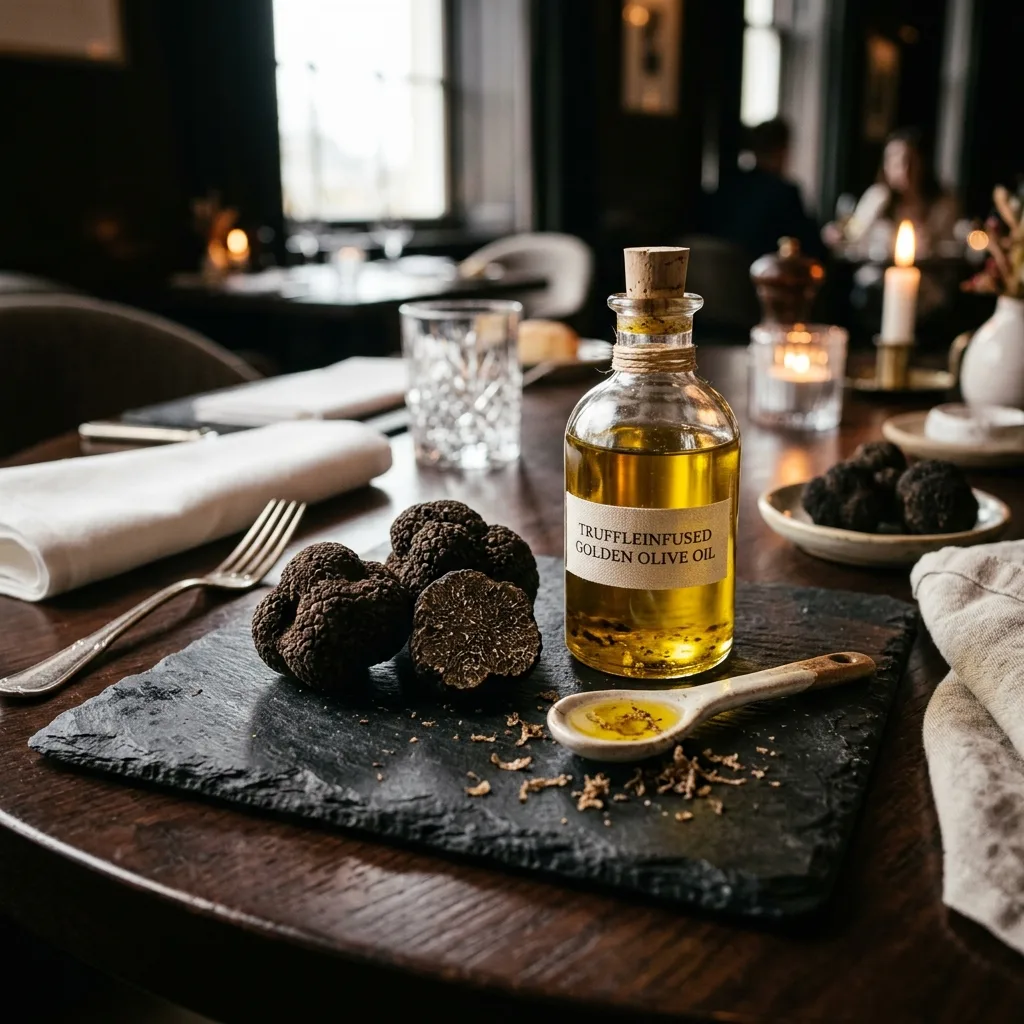
Tell us briefly where the first impression currently undersells the product. If there is a match, we plan a short introduction.
Discuss your brand website