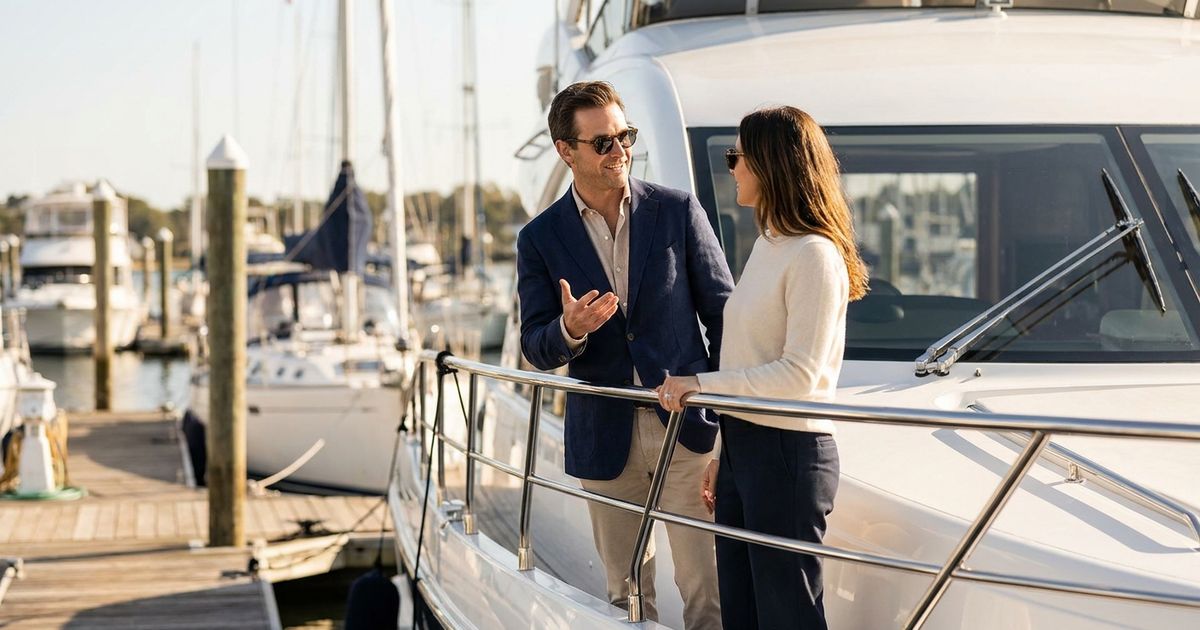
What Does a Potential Buyer Expect on a Yacht Broker's Website?
Buying a yacht is the largest leisure purchase most buyers will make. Discover the three questions a buyer wants answered before trusting a yacht broker.
No generic marketing tips, but observations on first impressions, niche recognition and why some websites land too lightly online for the company behind them.

A potential client visiting your website makes a decision within the first thirty seconds. Not consciously. Not after reading your "About us" page. He immediately senses whether you know the sector.
Observations on first impressions, positioning and the choices that make a website credible.

Buying a yacht is the largest leisure purchase most buyers will make. Discover the three questions a buyer wants answered before trusting a yacht broker.

A yacht owner researching maintenance, storage or another maritime service goes online long before he calls. Seven questions decide whether he picks up the phone or keeps browsing.

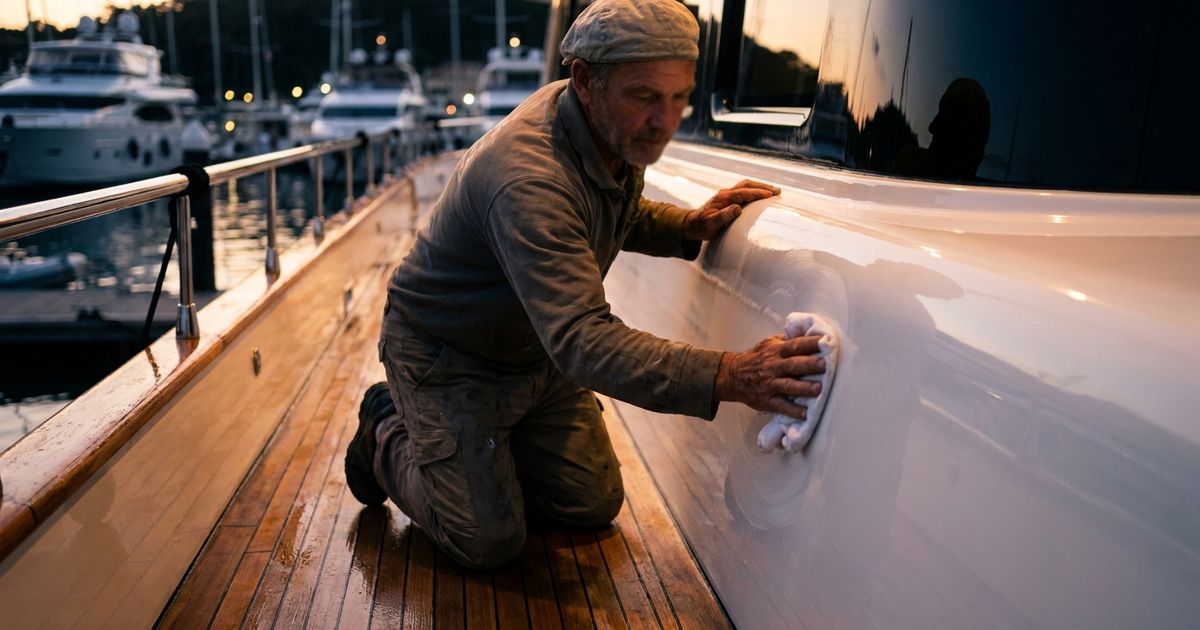
A yacht owner looking for maintenance, washing, winter storage or a gelcoat treatment has one central question before making contact: can I trust these people with my boat?

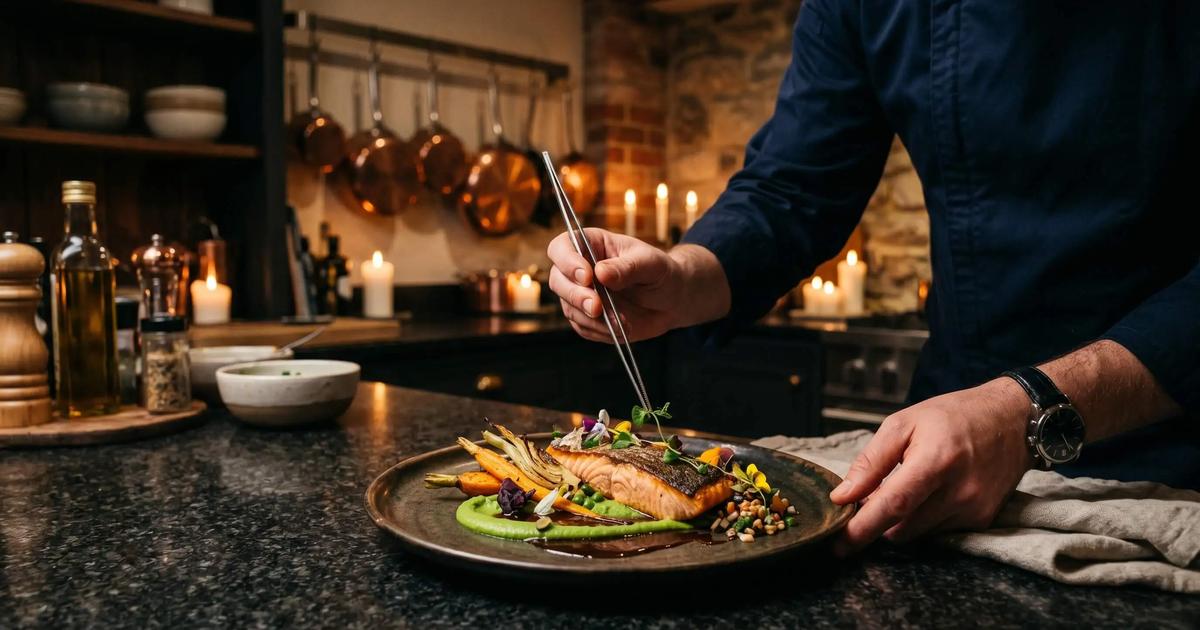
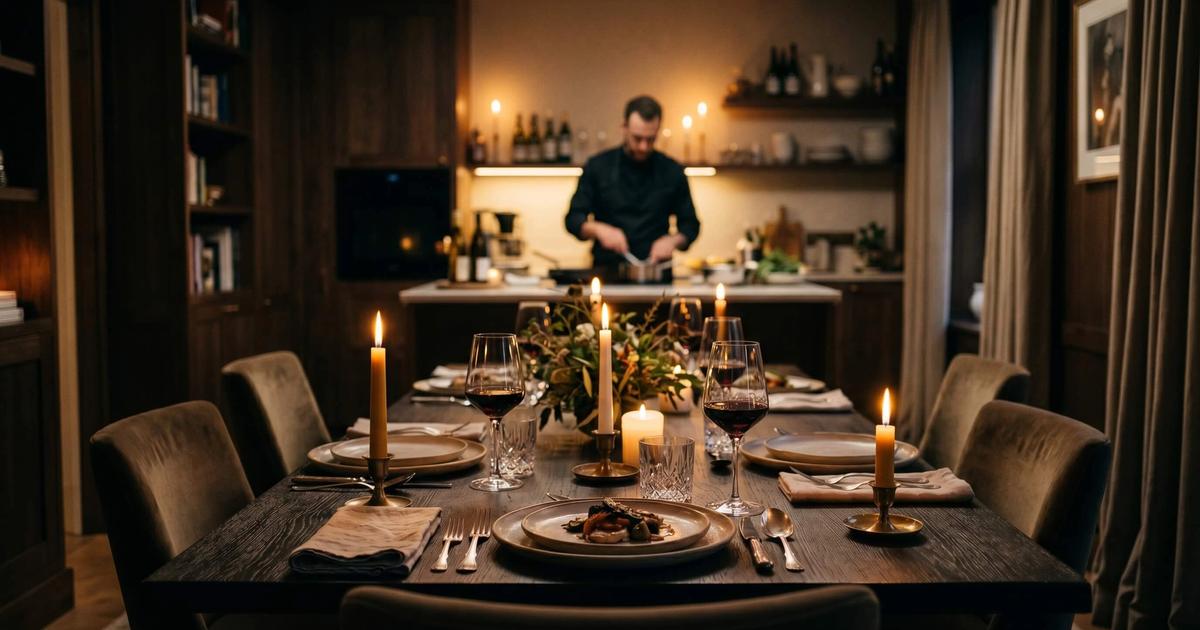
Which forms of proof work on a private chef website, and which don't. On photos, testimonials and cases without names.

Before a guest ever opens your website, they have already searched, scrolled and compared. What that discovery phase means for how findable you are.

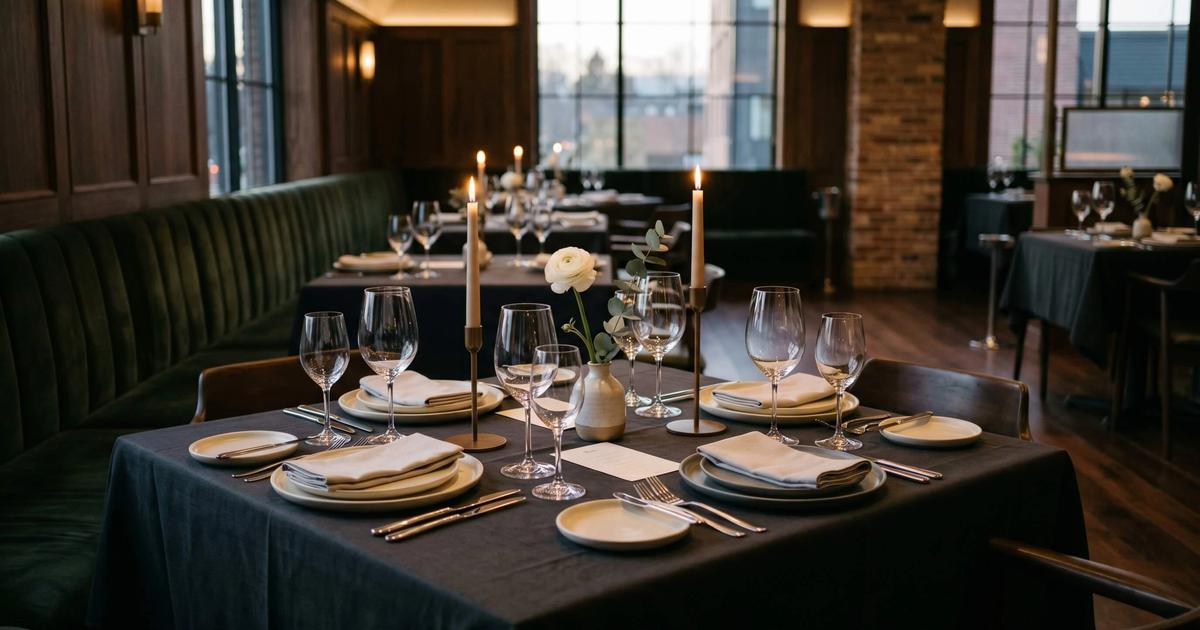
What guests expect from a fine dining website, and which signals build trust before they reserve.

Seven criteria to judge whether a web design agency understands your niche, enquiry quality and discretion for your private chef website.

A good enquiry form asks for date, party size and preferences, and makes clear right away what a visitor can expect after submitting it.

Restaurant branding shapes how guests judge your concept before they walk in. Four elements, and why your website is the first surface where it shows.

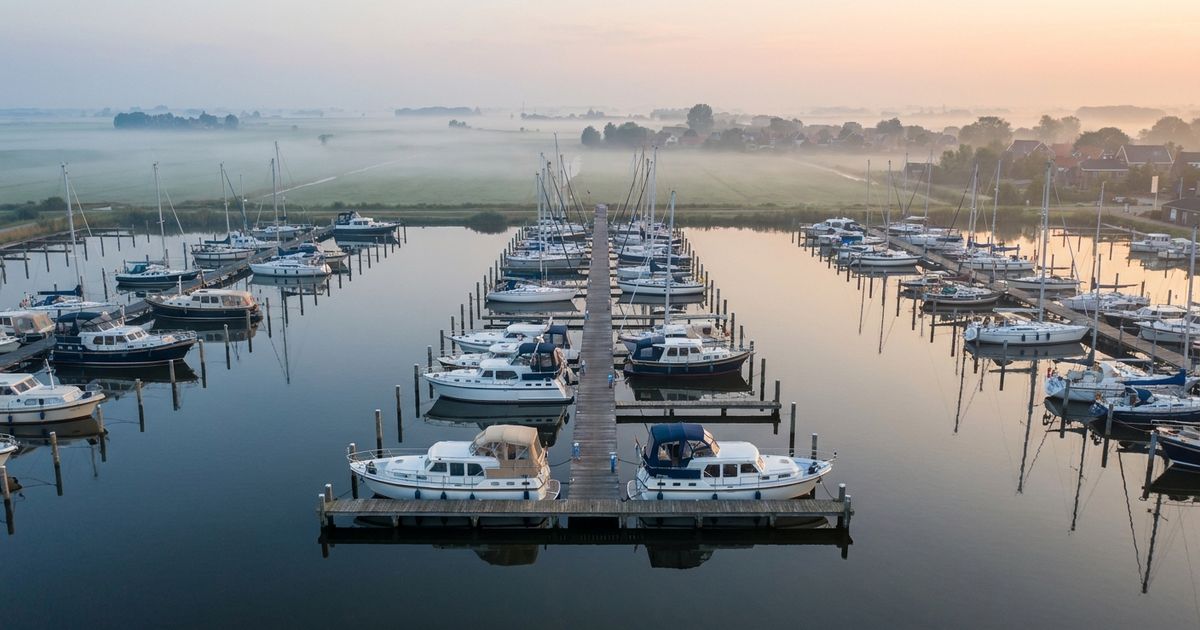
In the maritime sector, the first online impression decides whether someone calls or keeps browsing. Trust is the real product, and the website is the first proof you deliver it.

A private chef website needs to do more than show dishes. These are the signals that build trust, discretion and stronger inquiries before someone gets in touch.

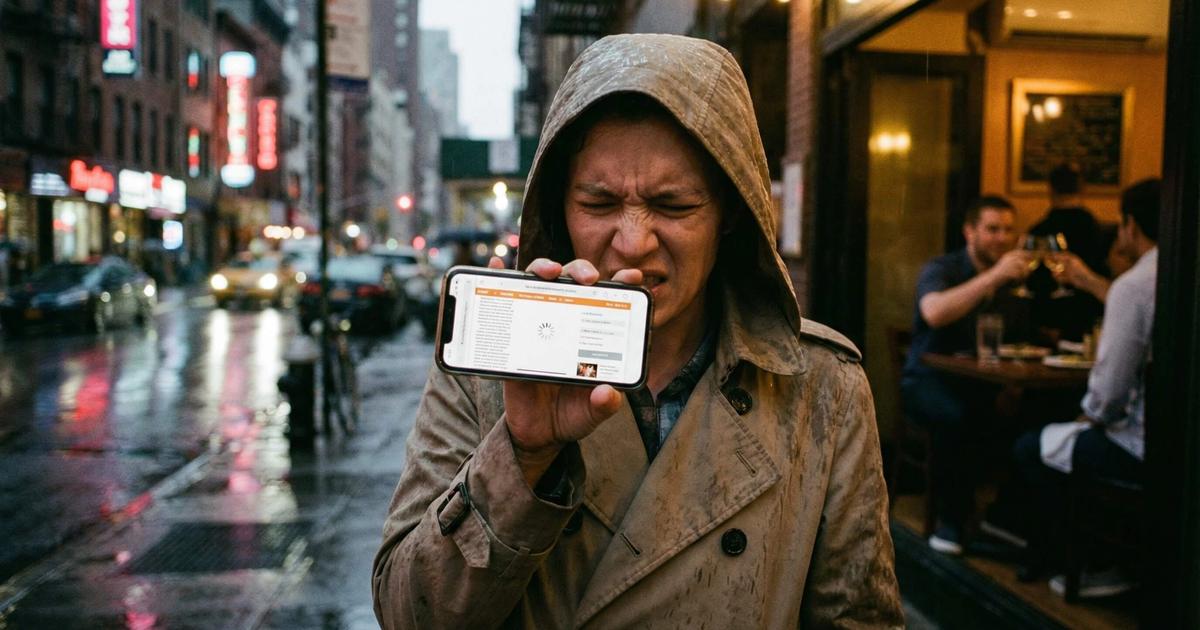
A simple smartphone test quickly shows whether your website builds trust on mobile, or causes friction instead.

A slow website feels like doubt to visitors. This guide shows how to assess speed and where the biggest wins usually sit.

These 5 signals show where websites often quietly lose trust, speed and follow-through action.
The same credibility question, worked out for private chefs, fine dining and maritime businesses.
Websites for private chefs
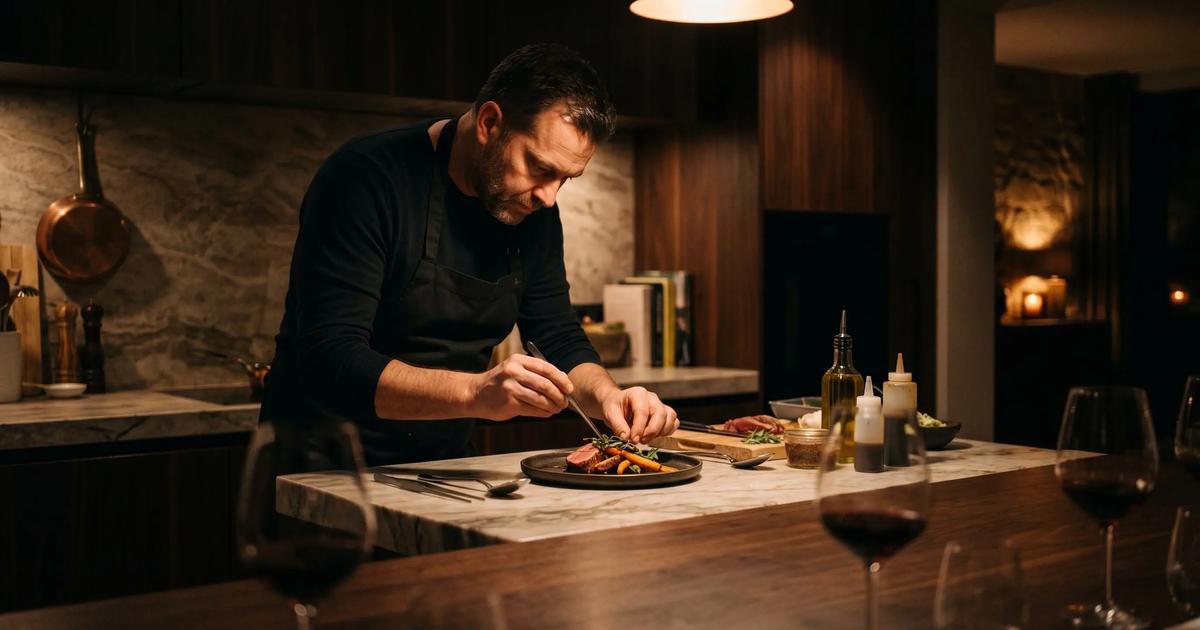
How a private chef website already filters enquiries and attracts better guests before the first message arrives.
Websites for fine dining concepts
What makes a fine dining website different: destination, reservation logic and the first impression guests carry into the evening.
Websites for maritime businesses
How a maritime or craft business website reads as more serious instantly and attracts the right clients without overpromising.
If your work lands too generally online, we can look at where presentation and the contact path need more precision.