Website Optimalisatie
What Makes a Website for a Maritime Business Credible?
 Stef Wubbe
TL;DR: A website for a yacht broker or yacht maintenance business does not win clients through its design. It wins them through credibility, the degree to which a visitor feels this business understands what really matters on the water. That credibility lies in specific choices: what you show, how you describe it, and what you deliberately leave out.
A potential client visiting your website makes a decision within the first thirty seconds. Not consciously. Not after reading your "About us" page. He immediately senses whether you know the sector.
That first impression is rarely about your logo or color scheme. It is about language. About imagery. About whether what you write sounds like it comes from someone who knows what gelcoat is, or what it means to take over a Linssen yacht.
This is the complete guide to what makes a maritime website credible, explained per sector, with concrete examples of what works and what has the opposite effect.
Why credibility is the first filter
Buyers and clients in the maritime sector are not impulse buyers. They compare. They research online before making contact. According to research by the Nielsen Norman Group ("Trust and Credibility of the Web", NNg, 2021), more than 75 percent of visitors say the absence of credibility signals on a website is a direct reason to stop reading.
In the maritime leisure sector, that effect is amplified. Your client is not buying a service. They are entrusting you with a boat, their property, their leisure investment, their weekend. The website is the first moment where they judge whether that trust is justified.
Generic websites, with stock photos of happy people on rolling seas, copy full of "passion for watersports" and contact forms with no further information, evoke exactly the opposite of trust. They signal that the business does not take its own sector seriously.
Credibility has three layers on a maritime website:
1. Sector knowledge: show that you know the world your client operates in
2. Process insight: explain how you work, so the client knows what to expect
3. Proof: show results, past projects and references specific enough to be real
What yacht brokers need to do differently
A maritime business positions itself online by being specific about the sector
Most yacht broker sites contain a database of boats, a contact form and a line about "expert advice". That is the minimum. It convinces no one.
What a buyer, or seller, actually looks for on a yacht broker's website is different from what most brokers offer. Read what a potential buyer really expects on a yacht broker's website
Three things that make the difference:
Valuation transparency. How do you determine a boat's value? Brokers who explain this, market analysis, condition inspection, comparable sales, win sellers' trust before the first conversation. Those who only write "request a free valuation" ask for trust without giving anything in return.
HISWA membership as substance, not just a logo. Almost every recognized yacht broker displays the HISWA logo. Few explain what it means for the buyer: written purchase agreements, terms and conditions that govern the financial settlement, a transparent process. Explaining that is the difference between a logo that is decoration and a logo that works.
Listings with context. Advertising a boat with technical specs is the minimum. Advertising a boat with an explanation of its maintenance history, the previous owner, the specific circumstances of the sale, that is the information a serious buyer needs even to start showing interest.
How yacht maintenance businesses show their craftsmanship
Of the three maritime sub-sectors, yacht maintenance has the hardest communication task. A yacht broker has listings that show themselves. A yacht maintenance business has process, and that is harder to communicate.
How a yacht maintenance business shows its craftsmanship on its website
Yet it is not an unsolvable problem. Craftsmanship in yacht maintenance shows through three channels:
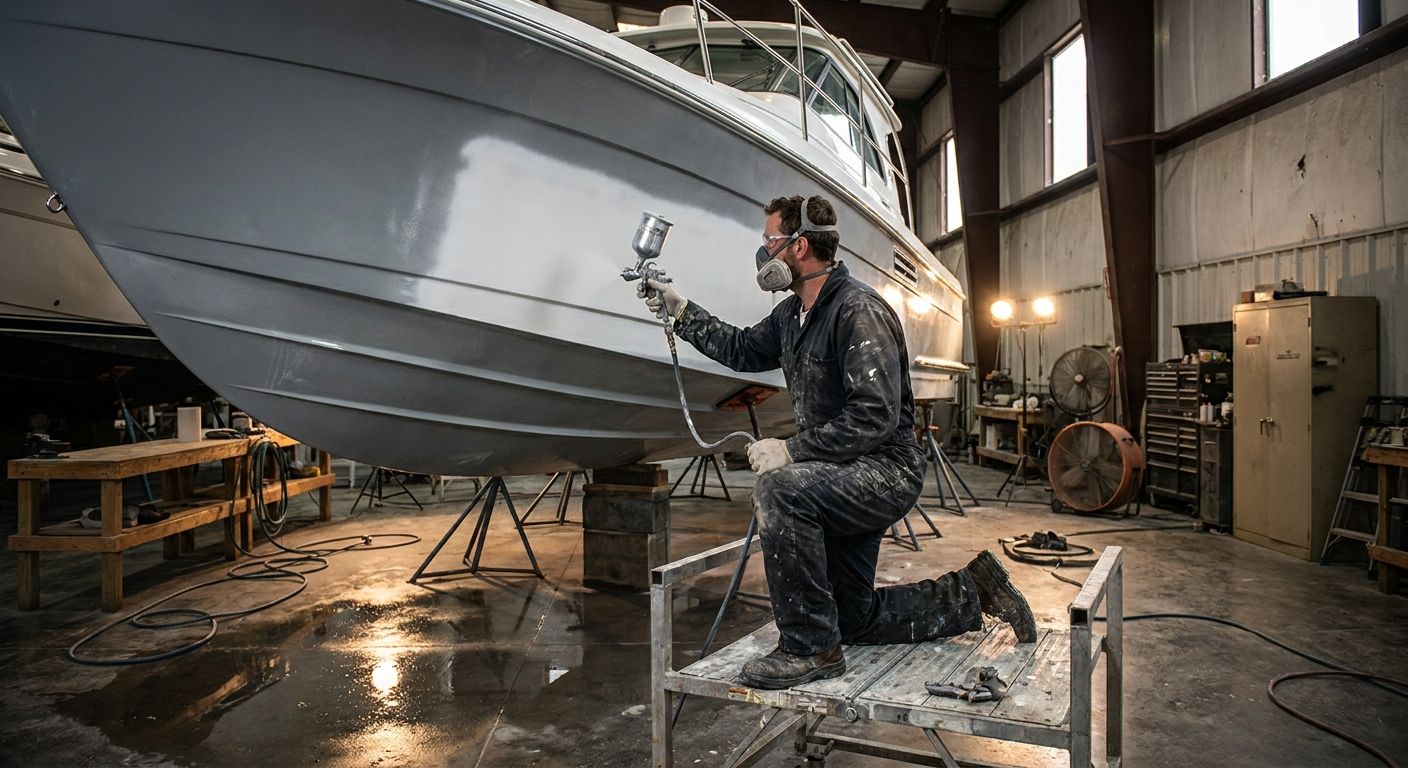
Documentation of the work. Before-and-after images of a gelcoat treatment, engine maintenance, winter storage are concrete proof that works. Not as advertising, but as documentation. The client sees what you do, not just what you claim.
Specificity about materials and methods. "We use high-quality materials" is a claim. "We use exclusively Awlgrip coatings and Volvo Penta-certified parts" is information. Clients who know their boat recognize specific product names and brands, and that recognition builds trust.
The owner on the boat. The most credible photo on a yacht maintenance website is not the clean boat after treatment. It is the owner of the business, on the dock, with their materials. Personal proof works.
What a yacht owner looks for on your website before making contact
The visual side: what works on a maritime website
Images on a maritime website do three things at once: they communicate quality, they show the reality of your service, and they anchor your business in a recognizable sector.
What does not work:
- Stock photos of seas without recognizable context, they say nothing about your specific service
- Perfect studio photos of empty boats without people or context
- Imagery that would also fit a surf school, a dive center or a cruise operator
What does work:
- Your own photography of your actual fleet, your workshop, your people
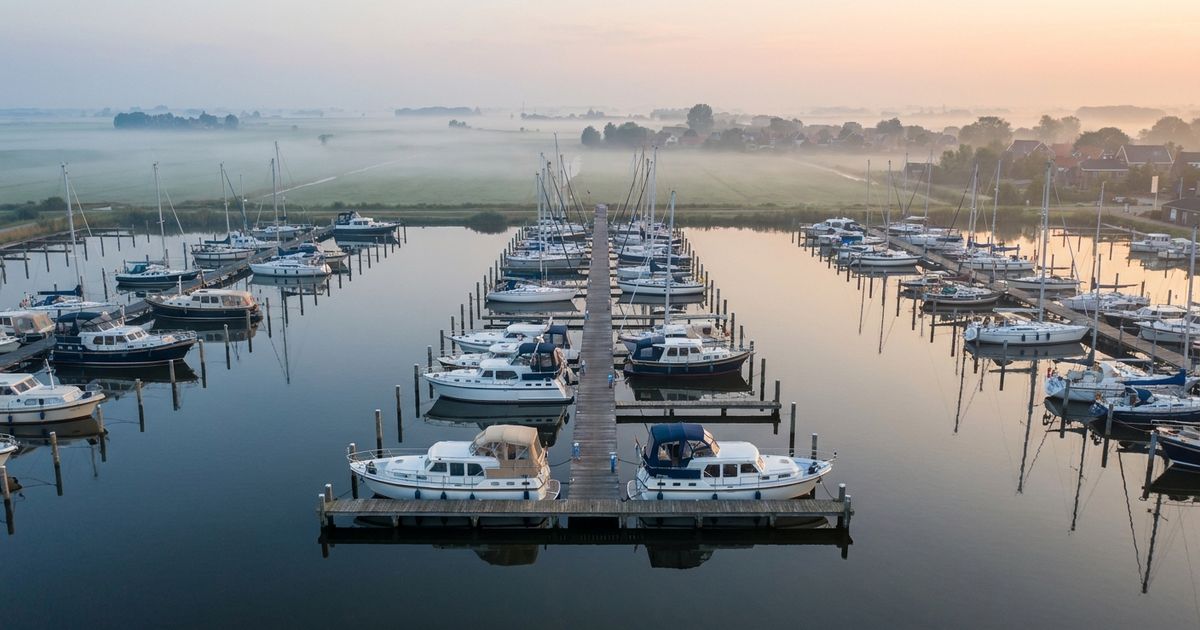
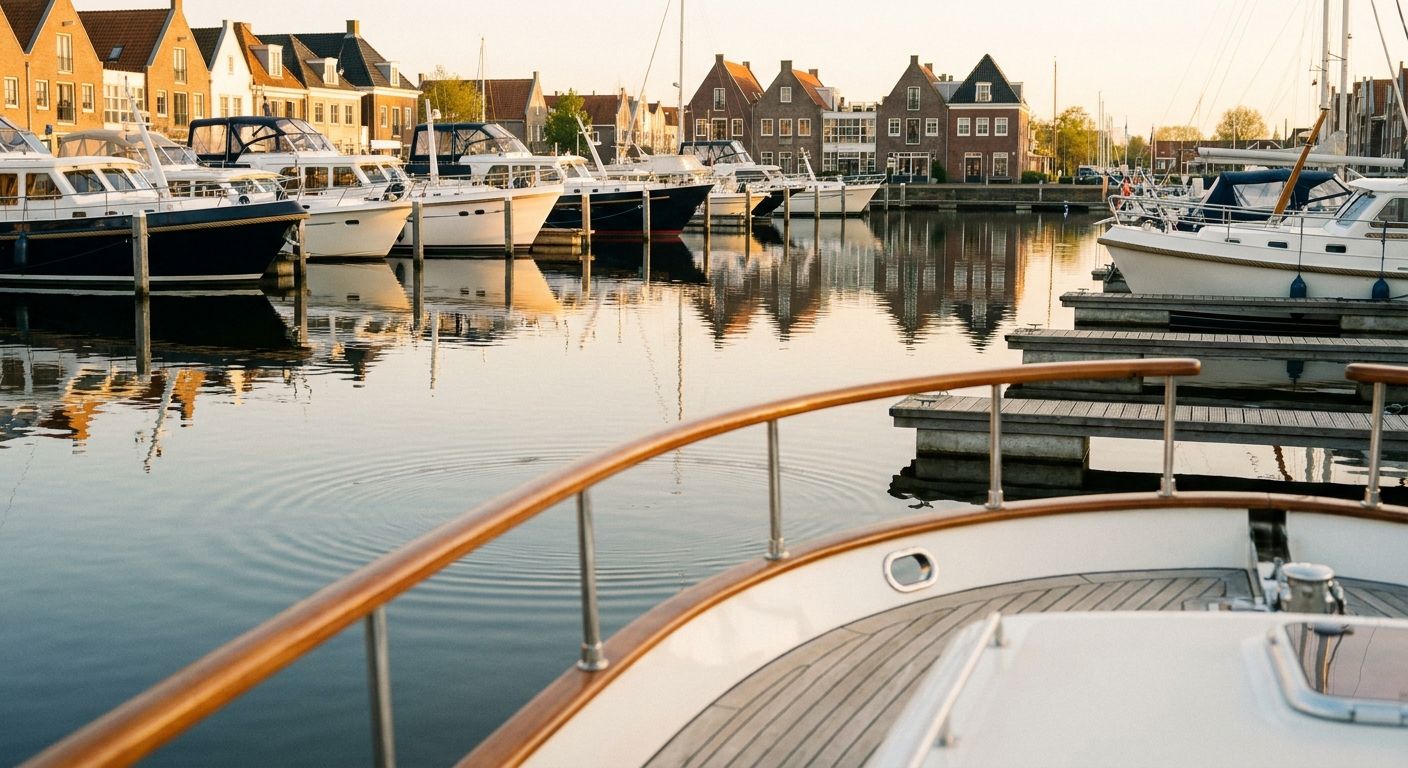
- Images that show the scale and context of your work, a yacht in a marina, not floating in an undefined sea
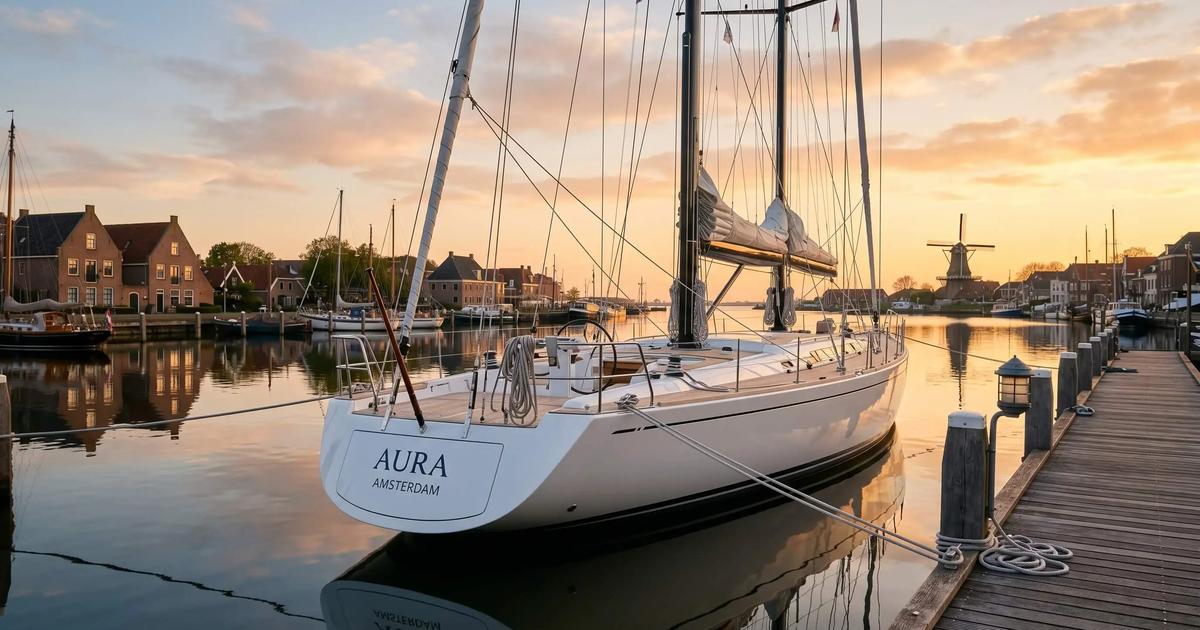
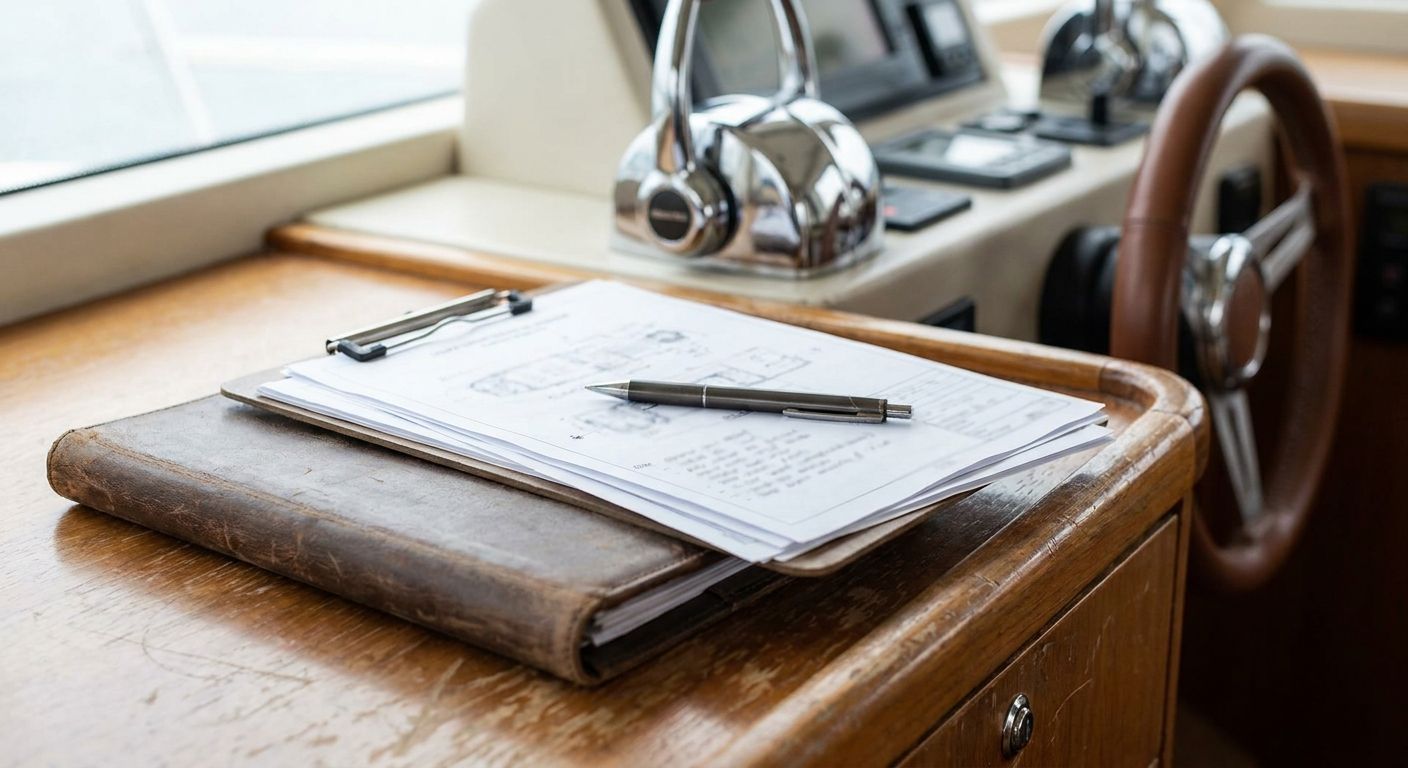
- Small details sector insiders recognize: a name board, a specific brand of steering wheel, a recognizable marina in the background
The rule of thumb is simple: if a visitor who also works in the maritime sector looks at your website, they should think "this is right", not "they could have used this for any other industry".
What most maritime websites get wrong
After analyzing Dutch maritime leisure business websites, four recurring problems stand out.
1. The "about us" page as self-flagellation. Almost every maritime website has an about page starting with "We are passionate about watersports." Passion is not a differentiator. Everyone in your sector is passionate. What sets you apart is something else: your specialization, your background, your methodology, your network.
2. Too little or too generic contact information. "Get in touch" is not an invitation, it is an instruction. What visitors want to know before making contact: what is the normal course of a conversation, what do you need to create a quote, how fast do you typically respond. Businesses that describe this significantly lower the barrier for serious clients.
3. No current content. A website with no sign of recent activity, a blog post, a case study, a recent sale, a current marina update, looks abandoned. In the maritime sector, where trust is central, an abandoned website is a red flag.
4. Mobile experiences that reverse the priorities. A potential buyer browses listings on their phone while standing on the dock. A yacht owner searches for maintenance services on their iPad in the cockpit. The mobile version of a maritime website is not an afterthought. It is the primary experience.
The three questions your website must answer
Every visitor to a maritime website consciously or unconsciously asks three questions. Credible websites answer all three directly and specifically.
1. Does this business understand my situation?
This is answered by the language used, the choice of imagery and the specificity of the offering. A yacht broker who speaks the buyer's language, a yacht maintenance business that describes the maintenance process the way an owner would recognize it, those are signals of understanding.
2. Can I trust this business with what really matters?
This is answered by proof: references, memberships, certificates, before-and-after documentation, specific projects. Not by claims.
3. What is the next step?
Most maritime websites answer this poorly. "Get in touch" is vague. Better: "Schedule an inspection of your boat via the form below, we respond within one business day" or "Check our availability calendar for a no-obligation conversation."
Sector-specific signals per audience
What counts as credible in one maritime sub-sector is self-evident or irrelevant in another. A short overview:
Yacht brokers: HISWA/NBMS membership explicitly explained, valuation methodology described, transparency about commission structure, demonstrable transaction history.
Yacht maintenance businesses: Certified product partners (engine brands, coating suppliers), HISWA recognition as a service business, documentation of completed projects, response times for urgent situations.
FAQ: Frequently asked questions about maritime websites
How long does it take before a new maritime website delivers results?
In the maritime sector, where purchase decisions move slowly and trust is central, it typically takes three to six months before a renewed online presence measurably contributes to new enquiries. That applies specifically to organic search traffic. Word-of-mouth recommendations reinforced by a credible website work faster.
Does a yacht broker need a blog on their website?
Not necessarily. But some form of current content, recent sales, market commentary, a fleet update, communicates that the business is active. A static website with no current content gives the impression of a business that does not prioritize its online presence.
What is the biggest difference between a generic website and a credible maritime website?
Specificity. A generic website uses language and imagery that could apply to any competitor. A credible maritime website contains information that could only come from this business, with this background and this offering.
How expensive should a maritime website be?
The question is not what the website costs, but what it costs if it is not credible. One client who does not call because the website did not build their trust already represents, in the maritime sector, more than the investment in a professional website.
Does it matter if my website is mobile-friendly in the maritime sector?
Yes. More than sixty percent of web traffic now happens on mobile devices (Statista, "Share of web traffic by device", 2025). In the maritime leisure sector, those are people researching on their phone while already at the harbor, or planning at home for the coming season.
How do I show expertise on a maritime website without overdoing it?
By describing instead of claiming. "We are experts" is a claim. "We perform fifteen to twenty gelcoat treatments annually on motor yachts from five to fifteen meters" is a description that communicates expertise without claiming it.
What to do if your current website does none of this
Most Dutch maritime businesses reading this article recognize the problem: the website exists, may even have once been professionally built, but says the wrong things, or too little.
The solution is rarely a complete redesign. More often it comes down to three targeted changes:
1. Rewrite the language. Replace generic sentences with specific descriptions of your way of working, your sector experience and your concrete offering.
2. Replace the imagery. Stock photos get replaced with your own photography of your actual service.
3. Add proof. References, projects, certifications, concrete and specific enough to be real.
These are the three pillars of credibility on a maritime website. Everything above that is refinement.
*SW Studio designs digital presence for Dutch maritime entrepreneurs that accurately reflects who they really are. View the work or schedule an introduction.*
Sources
- Nielsen Norman Group, "Trust and Credibility of the Web" (NNg, 2021)
- Statista, "Share of web traffic by device worldwide" (Statista, 2025)
- HISWA-RECRON, "General Terms for Yacht Brokerage" (hiswa.nl, accessed June 2026)
Topics: #maritime web design,#credibility,#yacht broker,#yacht maintenance